

Acing the PSLE Oral Stimulus-Based Conversation
- Sabreena Nazimudeen

- Jul 30, 2025
- 5 min read

The Primary School Leaving Examination (PSLE) is an important milestone for students in Singapore. One key component of the PSLE is the Oral Examination, which can be daunting for many. Specifically, the Oral Stimulus-Based Conversation section requires students to engage in thoughtful dialogue based on a visual stimulus. This blog post will provide comprehensive guidelines on how to excel in this section using effective PSLE oral techniques.
Understanding PSLE Oral Techniques - Acing the PSLE Oral Stimulus-Based Conversation
To ace the PSLE Oral Examination, it is essential to understand the techniques that can help you excel in the assessments. Here are some key PSLE oral techniques to keep in mind:
Active Listening: Pay close attention to the stimulus presented. Understanding it well helps in crafting relevant responses. When the examiner poses a question, ensure you are engaged and not just waiting for your turn to speak.
Structure Your Responses: A well-organized answer is easier to follow. Use a clear structure: start with a brief summary of the stimulus, share your thoughts, and conclude with a personal perspective or a logical ending. The link back or conclusion is a clear signal you are done with the answer. Having a clear format prevents you from sounding like you are rambling.
Use Descriptive Language: Engage the examiner by using vivid descriptions. If the stimulus is an image of a park, describe the scene. Mention the colors of the trees, the activities of people, and the overall mood of the environment.
Ask Questions: Engaging the examiner with appropriate questions can show your critical thinking ability. It can also help clarify doubts and extend the conversation.
Practice Makes Perfect: Conduct mock oral exams at home. Practicing with different stimuli will improve your confidence and fluency. Parents can throw questions off guard to prepare their child for quick thinking responses.
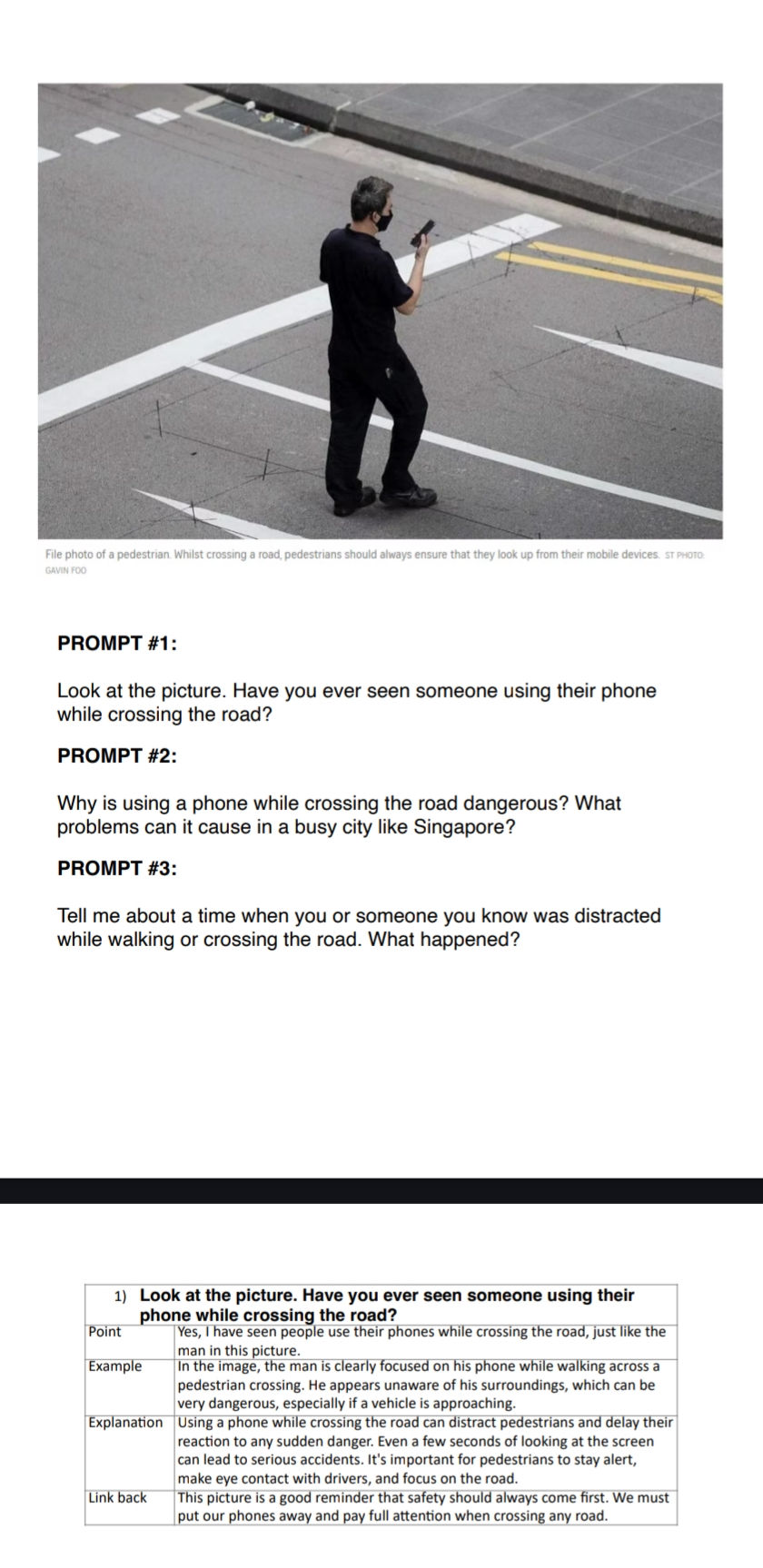
Preparing for the Oral Examination
Preparation for the Oral Examination is crucial. Here are the steps you can take to ensure you're well-prepared:
Familiarize Yourself with the Format: Knowing the structure of the exam reduces anxiety. The Oral Examination consists of a reading task and a stimulus-based conversation. Review past papers to understand how the questions are framed.
Collect Study Materials: Gather resources like books, online articles, and videos that provide tips on oral communication skills. Prepare by learning about current affairs. There are also numerous online platforms offering practice materials specifically for PSLE.
Engage with Peers or Family Members: Set up regular practice sessions with friends or family. This environment will help you become more comfortable speaking and responding to questions.
Focus on Building Confidence: Self-assurance can significantly impact your performance. Practice deep breathing or visualization techniques to calm your nerves before the exam.
Seek Feedback: After practice sessions, ask your peers or family for constructive criticism. Understanding your strengths and weaknesses will guide your improvement.

Key Strategies During the Examination
On the day of the examination, specific strategies can help you perform at your best. Here are several key strategies:
Take a Moment to Prepare: Once the stimulus is presented, take a few seconds to gather your thoughts. Use this time to note key points about the image, such as the setting, characters, and emotions conveyed.
Comfortably State Your Thoughts: Begin your response by summarizing what you see in the stimulus. Then, elaborate on your ideas and feelings about the scene. For example, "In the picture, I see a lively park filled with families enjoying a sunny day. This reminds me of how parks foster community bonding."
Use Appropriate Body Language: Maintain good posture and make eye contact with the examiner. Your body language can convey confidence and interest.
Stay on Topic: Ensure your responses are relevant to the stimulus. If the conversation veers off course, try to link your answers back to the image succinctly.
Remain Calm and Composed: It’s natural to feel nervous. If you make a mistake, don’t dwell on it. Keep moving forward and maintain focus on delivering your best responses.

Engaging with the Examiner
Your interaction with the examiner significantly impacts your score. Here are some techniques to engage effectively:
Show Enthusiasm: Show genuine interest in the topic. Enthusiasm can be contagious and will create a positive impression on the examiner.
Incorporate Personal Experiences: Relating personal experiences to the stimulus can make your conversation more engaging. For example, if the stimulus relates to a family gathering, share a story about a memorable family event.
Use the 5Ws and H: While discussing the stimulus, consider the who, what, where, when, why, and how of the situation. This approach deepens your analysis and enriches the conversation.
Encourage Further Exploration: After discussing your views, invite the examiner to share theirs. This can create a more interactive and dynamic conversation.
Be Respectful and Courteous: Maintain a professional demeanor throughout the examination. Acknowledge the examiner’s questions and opinions graciously.
By incorporating these strategies, students can navigate the PSLE oral stimulus-based conversation effectively and leave a lasting impression.
Final Thoughts
The PSLE Oral Examination, particularly the oral stimulus-based conversation, plays a crucial role in evaluating a student’s communication skills. By practicing these techniques, students can approach the examination with confidence and clarity.
To further refine your skills, consider visiting this cheat sheet that provides comprehensive tips and techniques for mastering PSLE oral stimulus-based conversations.
Remember, preparation is key, but attitude also matters. Embrace the experience, and you will shine in your PSLE Oral Examination!

Want to Know How Your Child Will Do for PSLE Oral?
Try a 15-Minute Mock PSLE Oral Session
Get your session recorded, receive comprehensive notes on what to improve, and a score based on the Oral Marking Scheme.
Additional Resources for Success
To further support your child, consider implementing daily speaking practices. Engage them in discussions about various topics. This can include conversations about their day or their thoughts on a book they read. Encouragement is key. Recognise their improvements and provide constructive feedback.
Additionally, explore online resources. There are numerous websites and forums dedicated to PSLE preparations. Joining a community can provide motivation and new strategies for success.
Lastly, remember that other students feel nervous, too. Sharing this experience can help ease anxiety and build camaraderie among peers.
Effective preparation leads to confidence. Your child can succeed in the PSLE Oral Stimulus-Based Conversation with dedication and practice. Constant practice will help with acing the PSLE oral stimulus-based conversation
Comments